Journal
Why Is Adult Acne Increasing? Causes, Hormones & Modern Treatments in Hyderabad
Adult acne often starts or lingers after the twenties. Learn how hormones, stress, products, and Hyderabad heat contribute, and which treatments dermatologists discuss.
 Dr. S. Madhuri5 min read
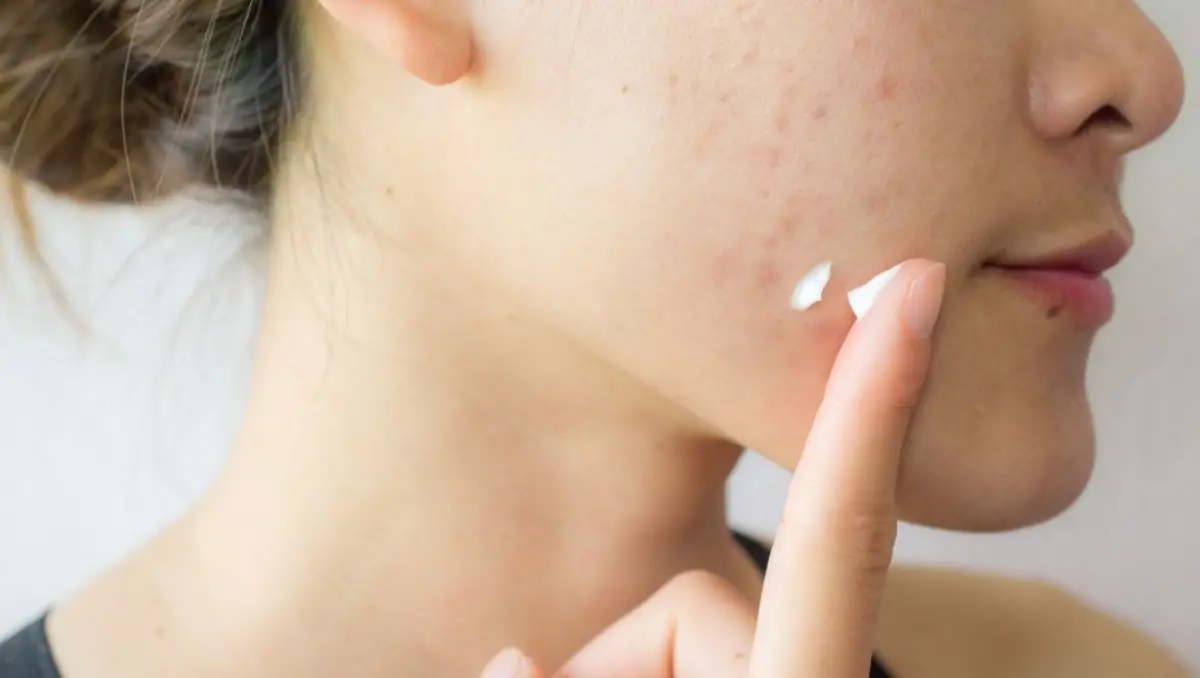
Acne is no longer only a teenage problem. Many adults in Hyderabad notice new breakouts in their late twenties, thirties, or forties, or find that spots they thought had finished never fully settled. Adult acne is usually slower to clear than school-age acne, and the marks it leaves can last longer on medium and deeper skin tones.
This guide explains common drivers and the kinds of care a dermatologist may consider. It is general education, not a personal diagnosis. A consultation is the right place to match treatment to your skin, hormones, and medicines.
What “adult acne” usually means
Dermatologists often separate two patterns. Persistent acne began in adolescence and never fully stopped. Late-onset acne appears for the first time after about age 25. Both can show closed comedones, inflamed papules, and deeper nodules. In many women the spots cluster along the jaw, chin, and neck, with flares before a period. Men may see more chest, back, or beard-area bumps, sometimes mixed with ingrown hairs.
Adult skin is also more likely to be dry or sensitive from years of products, so a routine copied from a teenager can sting and still leave spots.
Why it seems more common now
There is no single cause, and no need to blame one habit. Several factors often overlap.
Hormones are the pattern clinicians look for first. Androgens increase oil production and make the lining of the pore stickier. Polycystic ovary syndrome is one condition a doctor may consider when acne sits with irregular cycles, excess facial hair, or scalp thinning, but acne alone does not prove that diagnosis. Pregnancy, stopping or starting contraception, and some hormonal medicines can shift breakouts as well.
Stress does not “create” acne from nothing, yet poor sleep and sustained pressure can worsen oiliness and picking. Picking turns a small lesion into a deeper wound and raises the chance of a scar.
Skincare and hair products matter. Heavy sunscreens, oils marketed as “natural,” and styling products that migrate onto the hairline can clog pores. So can thick night creams layered over strong acids. The goal is not a ten-step shelf. It is a routine your barrier can tolerate.
Hyderabad’s climate adds friction. Hot months mean sweat, dust, and long hours in traffic or outdoors. Humidity in other seasons keeps skin damp under masks, helmets, or tight collars. Occlusion plus oil is a familiar recipe for comedones. Frequent face washing with harsh soap does not cancel that; it often strips the surface and triggers more oil.
Diet is frequently overstated online. A dermatologist may ask about high-glycaemic meals and, in some people, dairy, because those are discussed in acne care. Cutting entire food groups without advice rarely fixes jawline acne and can distract from treatment that would help.
What a proper assessment looks like
At a visit, the doctor looks at the type of lesion, not only the number of spots. Comedones, inflamed bumps, nodules, and marks left after healing are treated differently. They also review medicines, cosmetics, hair removal methods, and menstrual history when relevant.
If scars are already present, it helps to name them early. Flat red or brown marks are often post-inflammatory colour, which can fade. Pits and rolling dents are true scars and need a different plan, discussed on the acne scar treatment page.
Dr. S. Madhuri, dermatologist and founder of AB Skin Clinic, sees patients at the KPHB and Manikonda clinics. Her published qualifications are MBBS, MD DVL, DNB DVL, and a Fellowship in Dermatosurgery and Lasers. Personal plans are made only after examination.
Treatments dermatologists actually use
Care is usually layered. A simple home routine comes first, then prescription medicine, then procedures if needed.
Daily basics that support medical treatment:
- A gentle cleanser twice a day, not scrubbing granules
- A light moisturiser so retinoids are tolerable
- A broad-spectrum sunscreen reapplied when you are outdoors in Hyderabad sun
- Hands off the spots, including “extraction” tools from social media
Prescription options may include topical retinoids, benzoyl peroxide, azelaic acid, or a short course of an oral antibiotic for inflamed acne. For selected women, hormonal tablets or other hormone-directed medicines are considered after history and, when needed, blood tests. Isotretinoin is reserved for severe or scarring acne and requires counselling about side effects and pregnancy prevention. None of these should be borrowed from a friend.
Procedures are added with a purpose. Salicylic or other chemical peels may help comedones and dull marks once the skin is calm enough. Lasers and energy devices are chosen for residual redness, pigment, or early scars, not as a substitute for controlling active acne. Treating spots while ignoring the cause is why some people “finish a package” and break out again.
A realistic timeline
Inflammatory bumps can improve over several weeks. Most people need a maintenance topical after the flare settles, especially in a sunny city where marks darken easily. Stopping every product the week the skin looks clear is a common reason acne returns.
If acne is painful, leaving pits, or affecting work and sleep, book a visit rather than adding another internet active. You can book an appointment at AB Skin Clinic or read more about the dermatologist on the doctor page. Bring a list of current products and any hormone-related symptoms you have noticed. That conversation is more useful than another bottle chosen in a hurry.
This article is general education from AB Skin Clinic. It is not a diagnosis or a treatment plan. Suitability is decided in a consultation.
 Related treatmentAcne Scar TreatmentView treatment