Journal
Anti-Aging Treatments Compared: Botox, Fillers, Lasers & Skin Boosters
Botox, fillers, lasers, and skin boosters do different jobs. Learn how dermatologists separate lines, volume loss, texture, and dehydration before treating.
 Dr. S. Madhuri5 min read
“Anti-aging” is a crowded phrase. In one afternoon a person may be offered a toxin injection, a filler, a laser, and something called a skin booster, as if they were flavours of the same treatment. They are not. Each one changes a different feature of the face. Using the wrong category can look odd, or simply waste a visit, even when the product itself is genuine.
This comparison is a map. Doses, brands, and whether a clinic stocks a given option are confirmed only at consultation.
Start with what has changed
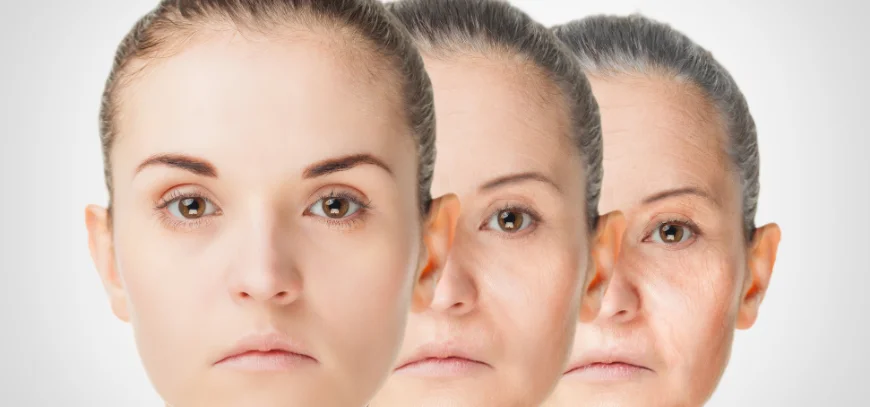
Faces age in several ways at once. Expression lines form where muscles crease the skin for years: frown lines, forehead lines, crow’s feet. Volume shifts as fat pads and bone support change, so cheeks may flatten and folds look deeper. The surface thins, pores look more obvious, and pigment from sun collects. Dehydration and a damaged barrier make all of the above look worse without being the true cause.
A useful consult names the main issue. Chasing every change in one day is how plans become expensive and hard to judge. AB Skin Clinic’s anti-aging treatment page is a starting point for what may be discussed, not a menu you must finish.
Botulinum toxin
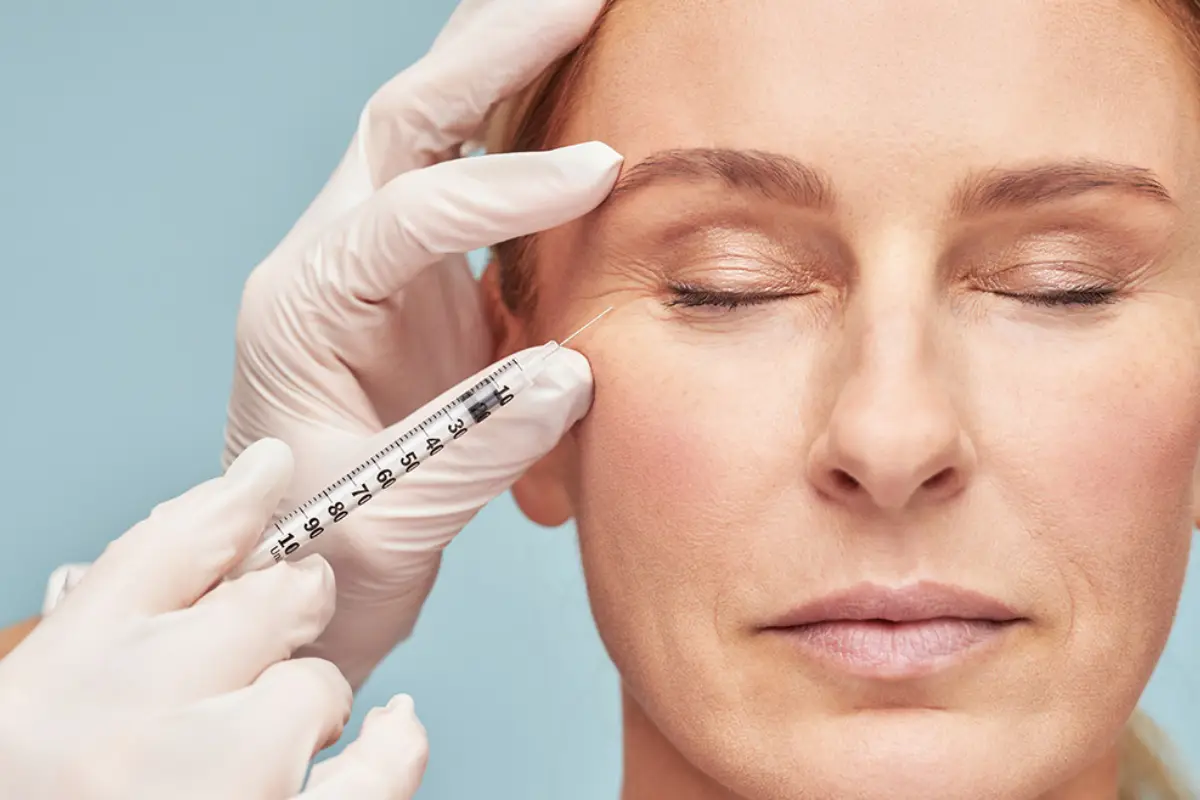
Botulinum toxin, widely called Botox after one brand, reduces the pull of specific muscles. It is used for dynamic lines: the crease you see when you frown, raise the brows, or smile. It does not fill a hollow cheek and it does not erase a deep fold that is present when the face is at rest, though those resting lines may soften if the muscle was keeping them folded.
Effect begins over days and fades over a few months, so repeat treatment is part of the method. Poor placement can drop a brow. A dermatologist should assess muscle pattern, eyelid heaviness, and your work in front of cameras or people before deciding dose. It is a medicine. Pregnancy, certain nerve conditions, and active infection at the site are reasons to defer.
Fillers
Hyaluronic acid fillers are gels placed to restore or shape volume: cheeks, chin, lips, or some folds, depending on anatomy. They are not a skin cream and they are not the same as a toxin. A small amount in the right plane can look quiet. A large amount in the wrong place looks puffy, especially in heat when faces already hold a little fluid.
Tear-trough and nose treatments sit close to important vessels. Those areas need particular caution and are not “starter” injections. Bruising and swelling are common early on. Rare vessel injury is why fillers belong in a medical setting that can recognise trouble.
Fillers do not tighten crepey texture by themselves. If the complaint is dullness and fine creasing from sun, a filler syringe is often the wrong first tool.
Lasers and energy devices
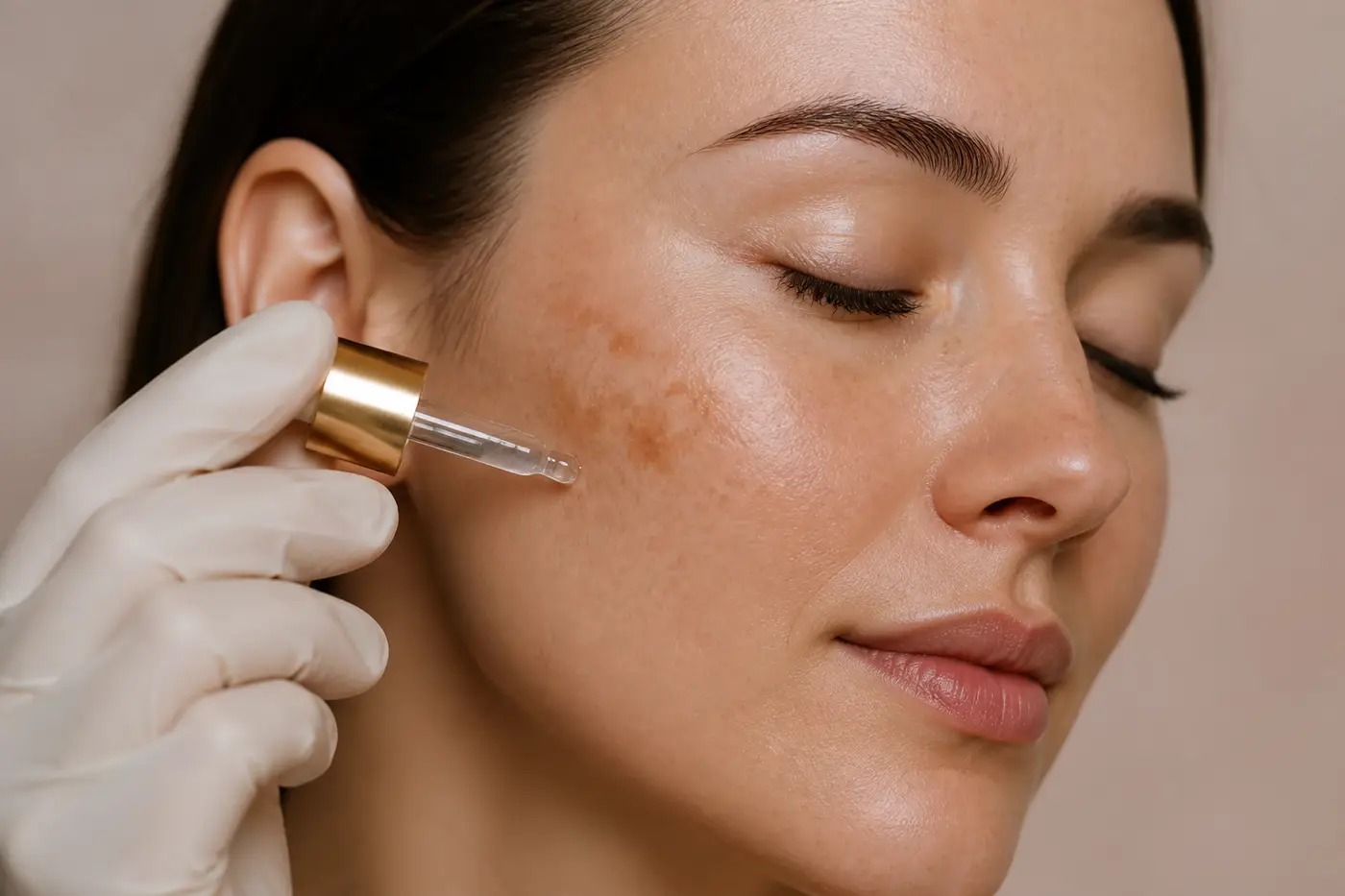
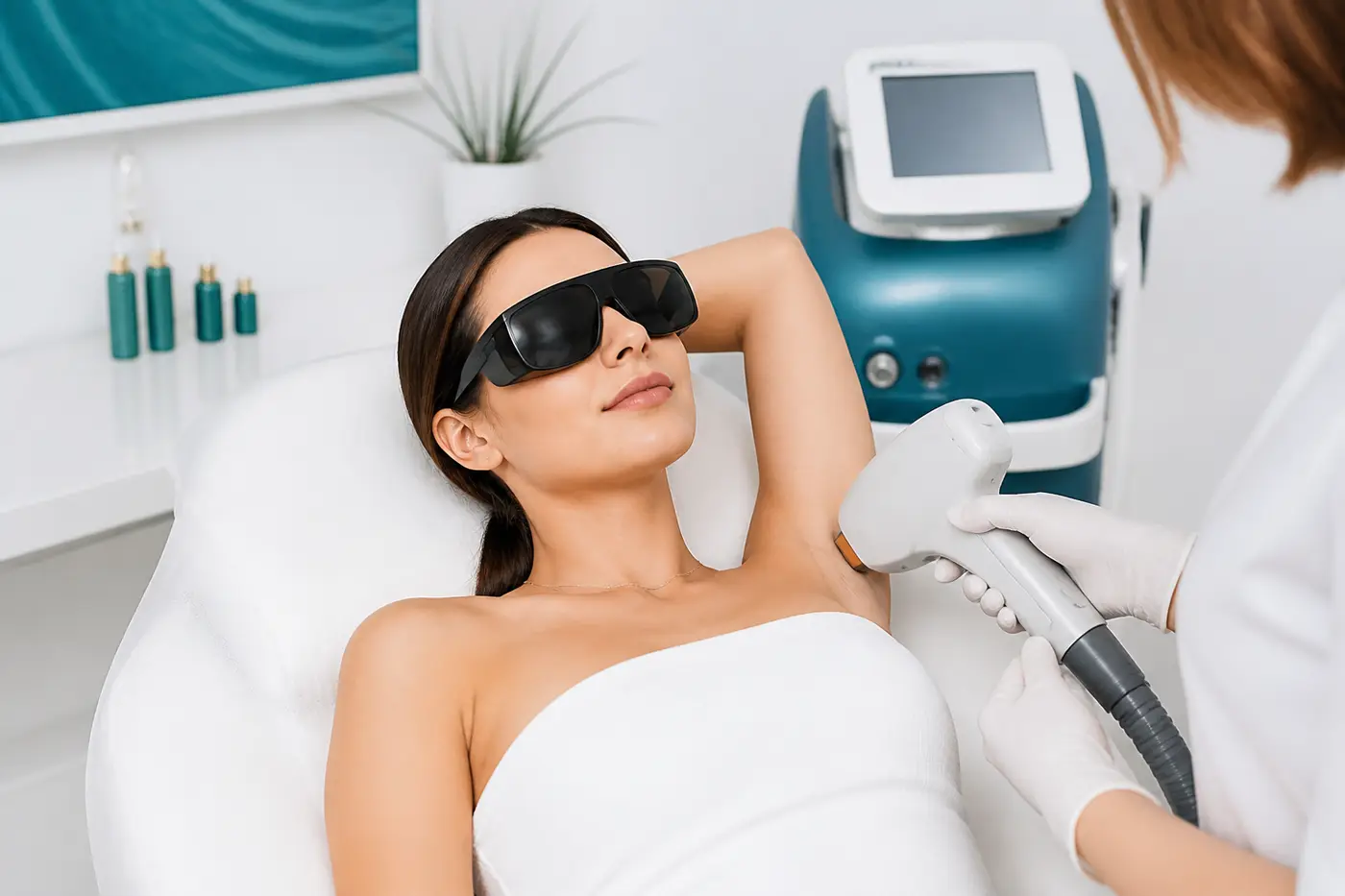
Lasers and similar devices target colour, redness, or collagen in the skin. Pigment lasers are chosen for selected brown spots. Other devices aim at texture, acne scars, or mild tightening. Downtime ranges from a day of redness to longer peeling, depending on how strong the session is.
Indian skin tones need conservative settings. Heat and ultraviolet light after an aggressive session can darken the skin, which is relevant in Hyderabad for much of the year. A laser does not stop a muscle from creasing the forehead, and it does not replace lost cheek volume. It also should not be stacked the same week as a deep peel unless a doctor has a clear reason and a recovery plan.
Skin boosters
Skin boosters are a category, not one product. Many are injectable hyaluronic acid preparations aimed at hydration and fine surface quality rather than at lifting a cheek the way a volumising filler does. Some clinics also use other injectable or microneedle-delivered options under the same loose name. What is available, and whether it suits your skin, is confirmed at a consultation. This article does not claim that a named brand is stocked.
Boosters are discussed for people who feel crepey or dull but do not need structural volume. They are a poor answer to deep frown lines, which are a muscle question, and a poor answer to unstable melasma, which is a pigment question. Swelling for a short time is common. They are still injections, with infection and bruising risks, so “light” should not mean casual.
How choices are combined
Sequence treatments so you can see what each one changed. Toxin for a frown line, sunscreen and a retinoid for texture, and only then a decision about volume or laser. Home care still carries the result: sunscreen and a moisturiser that does not sting outperform a procedure you cannot maintain.
Dr. S. Madhuri, dermatologist and founder of AB Skin Clinic in KPHB and Manikonda, holds MBBS, MD DVL, DNB DVL, and a Fellowship in Dermatosurgery and Lasers, as published by the clinic. She can separate a line that needs toxin from a shadow that is only lost volume or only pigment.
Bring old photographs and a list of previous injections, including dates if you remember them. You can book an appointment or reach the clinic through contact. Ask what problem the suggested treatment is meant to change, how long it lasts, and what it will not do. That answer matters more than the trend name on the poster.
This article is general education from AB Skin Clinic. It is not a diagnosis or a treatment plan. Suitability is decided in a consultation.
 Related treatmentAnti-Aging TreatmentView treatment