Journal
Mole Removal in Hyderabad: When to Remove, Methods & Safety
Some moles are removed for comfort or appearance, and some need a doctor’s exam first. Learn how Hyderabad dermatologists decide, without self-testing for cancer.
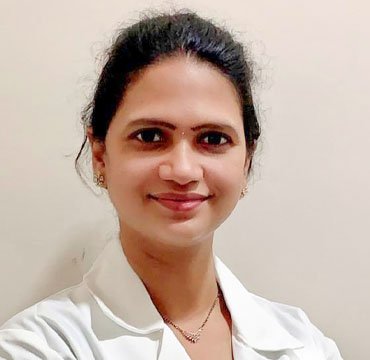 Dr. S. Madhuri4 min read

Moles are extremely common. Many people in Hyderabad have several, and most never need treatment. Others catch on a necklace, sit under a beard line, or simply bother someone in photographs. A smaller group should be examined because they are changing. The decision is medical. It is not a home test you can finish with a chart from the internet.
This guide explains how dermatologists approach mole removal. It will not teach you to decide whether a spot is melanoma. Any change should be seen by a doctor.
Reasons people ask about removal
Cosmetic concern is a valid reason to discuss removal of a clearly benign mole, once a clinician has agreed it looks benign. Practical reasons matter too: a mole that is nicked by a razor every morning, rubbed by a bra strap, or irritated by spectacles. Those repeatedly injured spots are worth an appointment even if they have looked the same for years.
A different reason is change. New symptoms or a new look are for examination, not for a beauty parlour. Contact the clinic if you notice any of the following, and let the doctor interpret them:
- A spot that is growing, bleeding without a clear nick, or failing to heal
- A change in colour, border, or surface compared with your own memory of it
- A mole that looks plainly unlike your other moles
- Itch or pain that is new and persistent in that spot
Bring an older photograph if you have one. Do not shave the spot flat, burn it, or apply acids before the visit. Those steps destroy the detail a dermatologist needs and can scar.
Children’s moles, moles present at birth, and marks under a nail are assessed with extra care. Do not treat them as routine cosmetic jobs.
How a doctor decides
The visit starts with looking, often with a dermatoscope, which is a lighted magnifier. The history matters: how long the mole has been there, whether it has changed, and whether you have had significant sunburns or a personal history of skin cancer. Most spots examined in a general dermatology clinic are harmless. The point of the visit is to sort the ones that are not, and to plan removal safely for the ones that are.
If a lesion needs to be taken off for medical reasons, or if the diagnosis is uncertain, the tissue may be sent for histopathology. That laboratory step is how a removed spot is properly reported. Cosmetic removal of an obviously benign mole is a different discussion, and your doctor will say whether a sample is indicated. Skipping that step to save time is not a bargain when the diagnosis was unclear.
Methods you may hear about
Technique follows the type of lesion and where it sits. A raised benign mole may be shaved flush with the skin. A lesion that must be fully removed, or one with a medical question, is more often excised with a margin and closed with stitches. Radiofrequency or other energy devices are sometimes used for selected benign growths. Each method leaves a different mark. Facial skin often heals more finely than the chest or shoulder, but no method is scar-free. Keloid-prone areas, such as the chest in some people, need a frank conversation before any elective removal.
Healing takes days to weeks. The site is kept clean and sun-protected. Picking the scab, swimming in untreated water too soon, or applying household turmeric can delay healing and darken the mark. On Indian skin tones, a brown line after removal is common and usually fades slowly. It is not automatically the mole “coming back.” True recurrence is something your doctor should see.
What not to do at a salon or at home
Pens, threads, and acid drops sold for “mole pens” are not a diagnosis and not a controlled procedure. Infection, a thick scar, and a missed medical lesion are the risks. Tattoo ink over a changing mole hides the very change you would want a doctor to watch. If a spot was partly treated elsewhere and is now irregular, bring that history.
Warts, skin tags, and moles are different structures. A rough, cauliflower growth on the hand is more often a wart. The wart removal article covers that path so the wrong lesion is not frozen or cut on assumption.
Care at AB Skin Clinic
Dr. S. Madhuri consults in KPHB and Manikonda. She holds MBBS, MD DVL, DNB DVL, and a Fellowship in Dermatosurgery and Lasers, which covers the procedural side of dermatology. She will tell you if a mole can be left alone. Leaving a stable, harmless mole is often the best result.
Book an appointment for any spot that worries you. The doctor page summarises her training. Come without makeup on that area if you can, and avoid self-treatment in the week before so the surface is readable.
This article is general education from AB Skin Clinic. It is not a diagnosis or a treatment plan. Suitability is decided in a consultation.
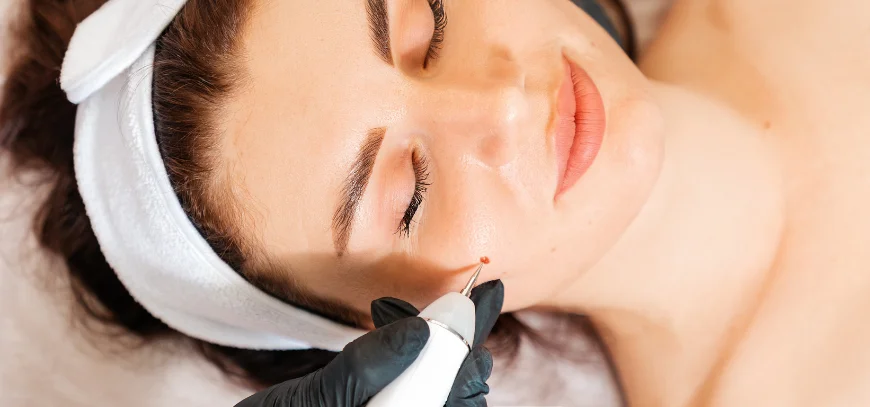 Related treatmentMole Removal in HyderabadView treatment