Journal
Summer Skin Care in Hyderabad: How Heat, Dust & UV Affect Your Skin
Hyderabad summers combine strong sun, heat, and dust. Learn how that mix affects acne, pigment, and dryness, and how to adjust care without harsh products.
 Dr. S. Madhuri4 min read
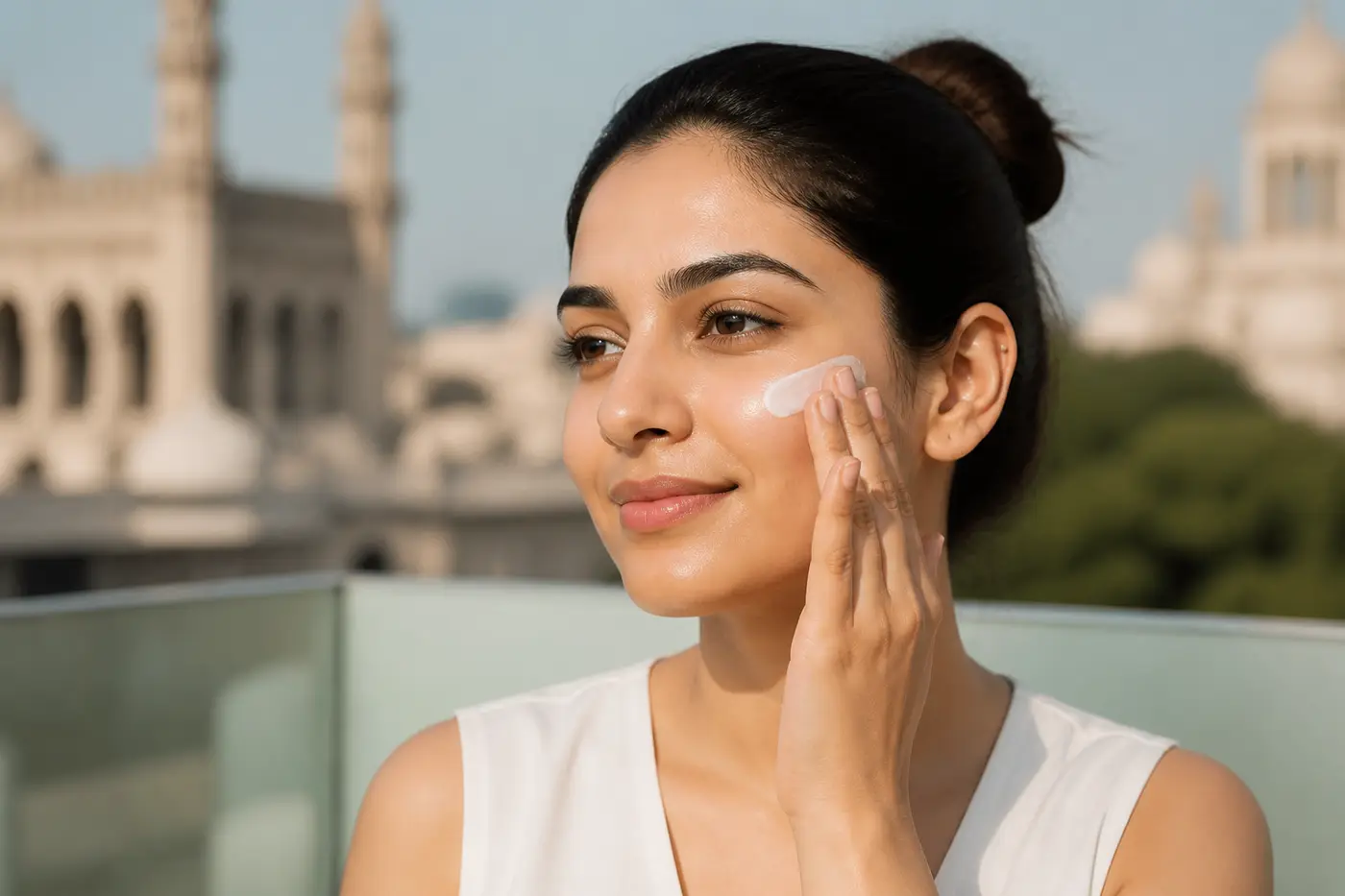
Hyderabad summers are long, bright, and dusty. Temperatures climb well before the monsoon, afternoons glare off roads and buildings, and many people move between hot outdoors and very cold air-conditioning. Skin reacts to that swing. Oil increases, pigment darkens, and a routine that felt fine in January can clog or irritate by April.
This is a practical overview of what heat, dust, and ultraviolet light do, and how to adjust care. It does not replace a consultation if you have a rash, melasma, or a procedure planned.
What summer actually does to skin
Ultraviolet radiation is the part you cannot see and the part that matters most for ageing and pigment. UVB burns. UVA travels deeper and is present through glass and on cloudy days. In Indian skin, the more visible problem is often pigmentation rather than a peeling sunburn. Melasma, acne marks, and tanning along the forehead and upper lip deepen with repeated exposure, even when you “do not burn.”
Heat is separate from UV. Warmth increases blood flow and sweat. Sweat itself is not dirty, but it softens the outer layer, carries salt, and sits under helmets, masks, and collars. That occlusion encourages comedones and folliculitis, especially along the hairline and jaw.
Dust and vehicle pollution land on sunscreen and oil. People respond by washing more often or using strong face washes. Over-washing leaves the barrier tight, so the skin produces more oil and feels both greasy and uncomfortable. Visible light and heat are also discussed in pigment care: melasma in particular can darken with heat and light, not only with a beach holiday.
A summer routine that stays small
You do not need a new cupboard for April. You need fewer layers and more consistent protection.
Cleansing. Use a mild cleanser morning and night. If you have been outside in heavy dust, a gentle second cleanse at night is enough. Scrubs and cleansing brushes add injury without removing UV damage. Skip hot water.
Moisturiser. Oily skin still loses water in air-conditioning. A gel or light lotion is usually easier to tolerate than a rich cream. If sunscreen is already moisturising, some people use that alone in the morning and moisturiser only at night. Stinging means the barrier needs a pause from acids, not that you should skip all hydration.
Sunscreen. This is the step that changes summer outcomes. Choose a broad-spectrum sunscreen you will actually reapply. SPF numbers on the bottle assume a thick, even layer. Most people apply less, so reapplication after heavy sweat or several hours outdoors matters more than chasing a higher label. A tinted sunscreen can be useful for melasma because visible light also darkens patches. Sport and commute days need a form that does not drip into the eyes.
The rest of the face:
- Lip balm with sun protection if lips tan or darken
- Sunglasses and a cap when you are walking or riding
- Clean the helmet strap and phone screen so acne bacteria and oil are not pressed back onto the cheek
- Change out of sweaty clothes before sitting in cold air for hours if body acne is a pattern
Retinoids and exfoliating acids can continue if the skin is calm, often at a lower frequency. Burning, peeling sheets of skin, or new brown patches are a signal to stop and ask a dermatologist, not to “push through” for glow.
Pigment, tan, and procedures in peak sun
A tan is a sign of melanin response, not healthy protection you should maintain. Scrubbing a tan off damages the surface and can leave uneven colour. So can lemon, toothpaste, or steroid-mixed fairness creams. Those can cause burns and, with steroids, thinning and more pigment later.
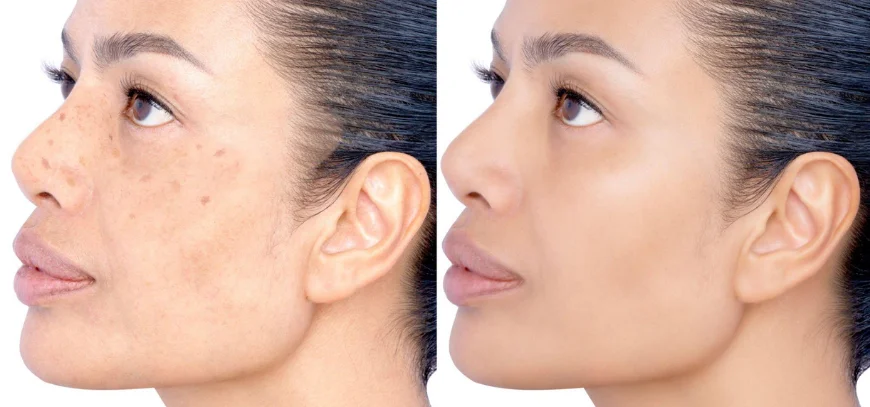
Clinic treatments for pigmentation, including pigmentation reduction laser options, depend on strict sun behaviour before and after sessions. Many dermatologists prefer to plan stronger pigment work when you can avoid peak sun, or they delay it until protection is realistic for your job. A laser session followed by a wedding week outdoors is a common reason results disappoint. Creams prescribed for melasma also fail if sunscreen is skipped on “indoor” days near windows.
Acne marks darken faster in summer. Controlling the acne matters more than bleaching the mark. If spots are active, treat those first. Colour is addressed once inflammation is quieter.
Body skin in the heat
Body acne can flare with sweat and tight fabric. Fungal itch in skin folds should be examined rather than covered with a combination cream from a pharmacy.
When home care is not enough
Book a visit if pigment patches are spreading, if you have a painful rash in folds, or if a product has caused swelling. People with a history of melasma should not stack new acids every weekend in an attempt to look fresh for events.
AB Skin Clinic, founded by dermatologist Dr. S. Madhuri (MBBS, MD DVL, DNB DVL, Fellowship in Dermatosurgery and Lasers), consults in KPHB and Manikonda. You can book an appointment to review pigment, acne, or a summer procedure plan, or check practical details on the contact page. Bring your current sunscreen, not only the serums. The formula you actually wear is the one that determines how the season treats your skin.
This article is general education from AB Skin Clinic. It is not a diagnosis or a treatment plan. Suitability is decided in a consultation.
 Related treatmentPigmentation Reduction LaserView treatment